

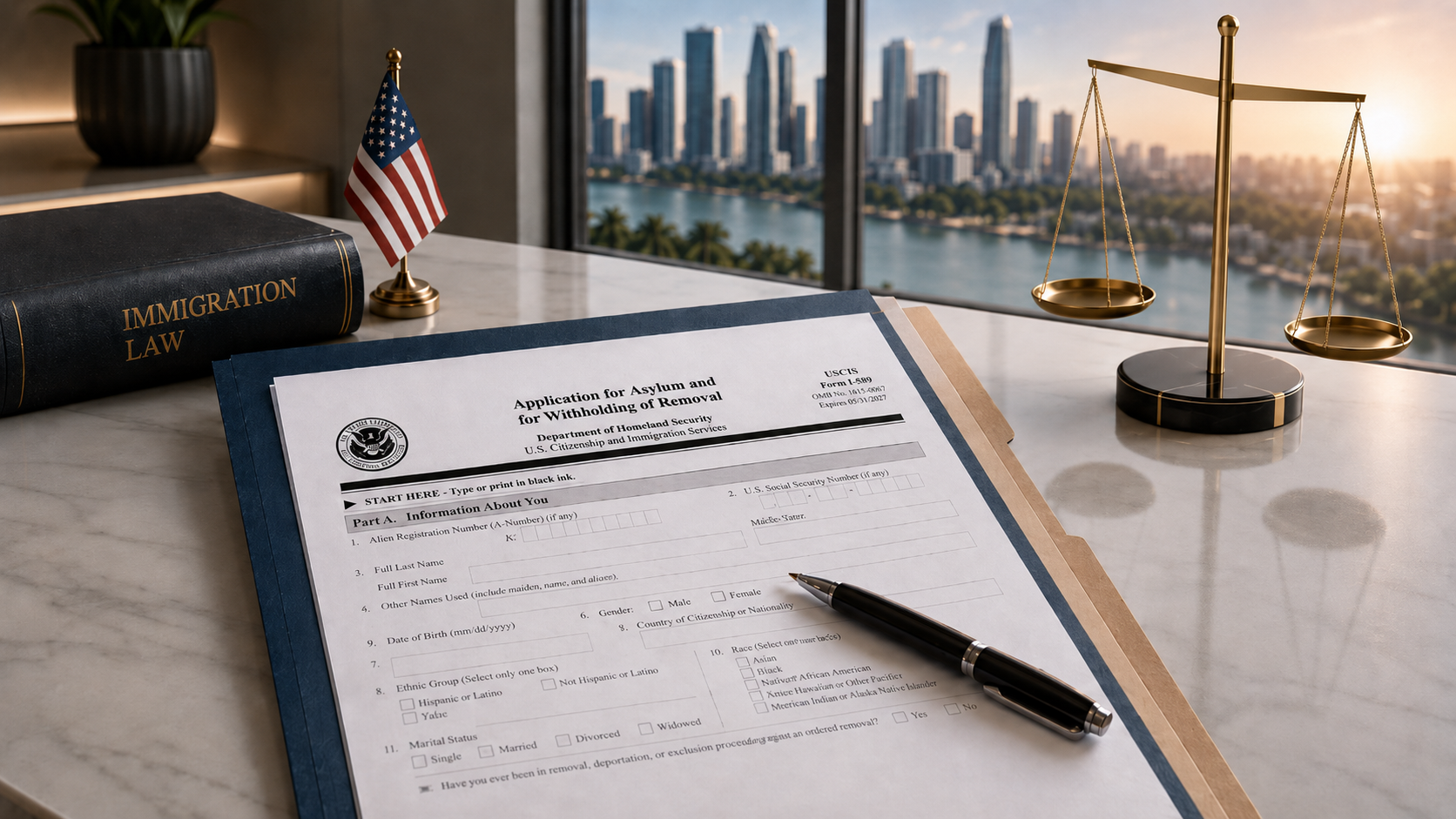
Protection for those who face persecution
The United States has a long tradition of offering protection to individuals who have suffered persecution or have a well-founded fear of persecution in their home countries. Asylum provides a path to safety, work authorization, and eventually permanent residence for those who qualify.
At Javier Morales Law, we represent asylum seekers with compassion, confidentiality, and the legal rigor these cases demand.
Schedule a ConsultationWho Qualifies for Asylum?
To be granted asylum, you must demonstrate that you have been persecuted or have a well-founded fear of future persecution based on one of five protected grounds: race, religion, nationality, membership in a particular social group, or political opinion. Persecution can take many forms, including physical violence, threats, detention, severe discrimination, or other serious harm carried out by the government or by groups the government is unable or unwilling to control.
Affirmative vs. Defensive Asylum
If you are in the United States and not currently in removal proceedings, you may file an affirmative asylum application with USCIS. Your case will be heard by an asylum officer in a non-adversarial interview. If you are in removal proceedings before an immigration judge, you may apply for asylum as a defense against deportation, known as defensive asylum. Our firm handles both types of cases and will advise you on the best approach based on your circumstances.
The One-Year Filing Deadline
In most cases, you must file your asylum application within one year of your last arrival in the United States. Missing this deadline can result in your application being denied, though certain exceptions may apply if you can demonstrate changed or extraordinary circumstances. It is critical to speak with an attorney as soon as possible to protect your eligibility.
Common Issues We Handle
Missing the one-year filing deadline and establishing changed or extraordinary circumstances to qualify for an exception
Limited or no documentary evidence of persecution, which is common when clients flee without police reports, medical records, or other proof of harm
Claims of persecution based on sexual orientation, gender identity, or domestic violence where the harm occurred in private and witnesses are unavailable
Establishing membership in a particular social group, one of the most complex and frequently litigated elements of asylum law
Inconsistencies between the written declaration, interview testimony, and prior statements that USCIS or an immigration judge may use to challenge credibility
Trauma-related memory gaps or difficulty recounting details of persecution in a linear, consistent manner during interviews and hearings
Prior criminal arrests or convictions that may trigger bars to asylum eligibility, including the aggravated felony and particularly serious crime bars
Prior removal orders or failed immigration applications that create procedural hurdles or raise credibility concerns
Cases referred from the Asylum Office to Immigration Court after a non-approval, requiring a shift from the affirmative to the defensive process
Navigating asylum claims for families where each member has a different factual basis for their case
Applying for permanent residence one year after an asylum grant and securing derivative benefits for spouses and children, including those still abroad
Cases involving the transit bar or safe third country agreements that may affect eligibility
Related Forms of Protection
If you do not qualify for asylum, you may still be eligible for other forms of humanitarian protection, including withholding of removal or protection under the Convention Against Torture. These alternatives have different legal standards and benefits, and our team will evaluate all available options during your consultation.
Confidentiality and Sensitivity
We recognize that asylum cases often involve traumatic experiences. Our office provides a safe, supportive environment where you can share your story with confidence. All consultations and case information are treated with the strictest confidentiality.
Why Choose Javier Morales Law?
With over 19 years of experience in immigration law, Attorney Javier Morales understands that asylum cases require both legal expertise and compassion. Our firm takes the time to know your story, anticipate potential obstacles, and build the strongest possible case on your behalf. We serve clients throughout Florida and across the United States, including Puerto Rico, with services available in both English and Spanish.
Ready to Get Started?
Seeking asylum in the United States? Contact us to protect your eligibility and your future. Schedule a personalized consultation with Attorney Morales.
Schedule a ConsultationDisclaimer: The information on this page is provided for general informational purposes only and does not constitute legal advice. Reading this content or contacting our office does not create an attorney-client relationship. Every immigration case is different, and outcomes depend on the specific facts and circumstances involved. For legal advice tailored to your individual situation, please schedule a consultation with our office.