
Protecting your right to remain in the United States
Facing removal proceedings is one of the most serious situations anyone can encounter in the U.S. immigration system. A removal order can result in deportation, separation from your family, and long-term bars to reentering the country.
At Javier Morales Law, we represent individuals in Immigration Court proceedings with the urgency, preparation, and advocacy these cases demand. Attorney Morales's background as a former Assistant State Attorney gives him the courtroom experience and litigation skills that are critical in removal defense.
Schedule a ConsultationHow Removal Proceedings Begin
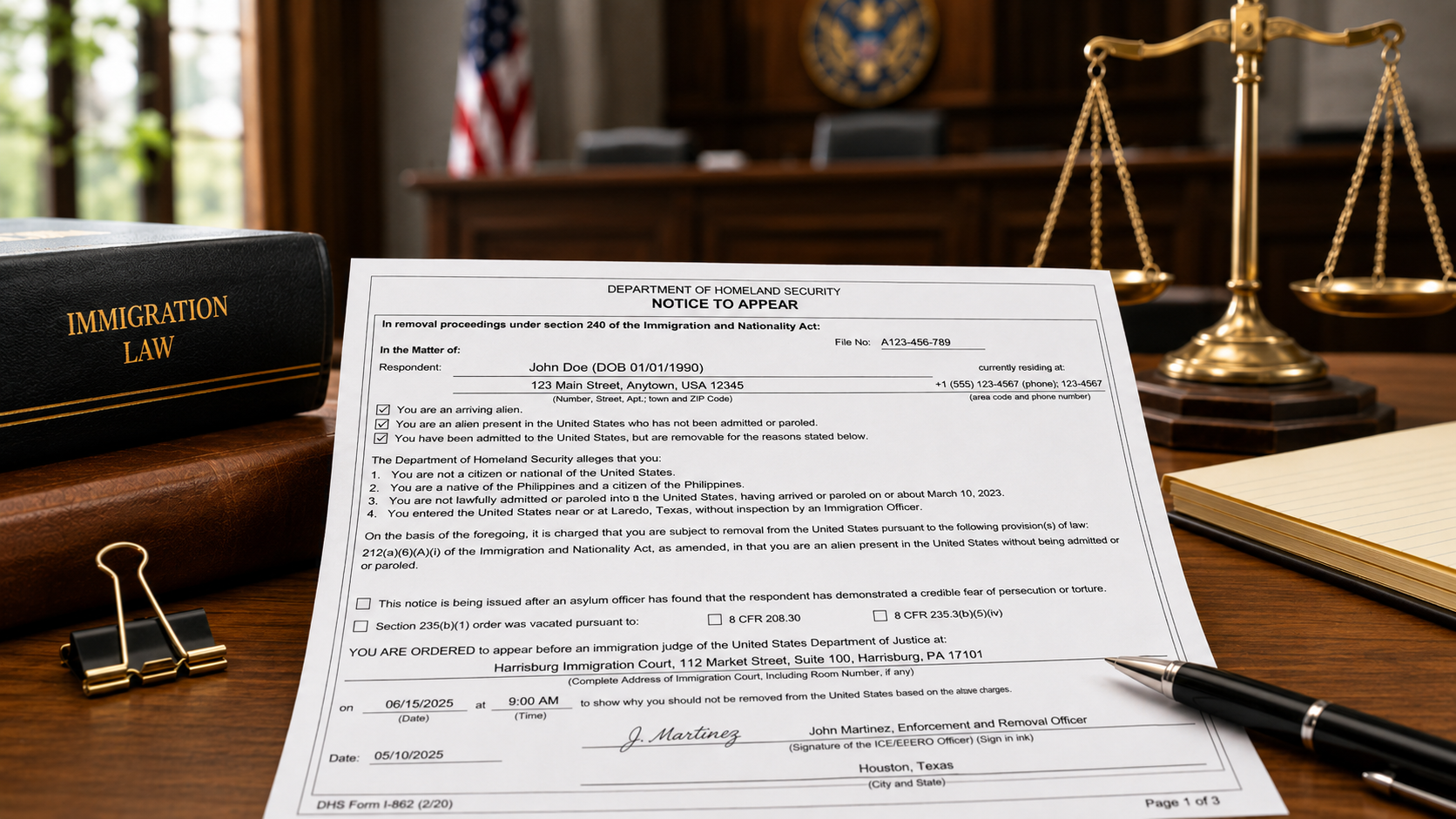
Removal proceedings are initiated when the Department of Homeland Security files a Notice to Appear (NTA) with the Immigration Court, charging the individual as removable under the Immigration and Nationality Act. You may be placed in removal proceedings for a variety of reasons, including overstaying a visa, entering the United States without inspection, committing certain criminal offenses, or violating the terms of your immigration status. Once proceedings begin, you will be scheduled for hearings before an immigration judge, and the decisions made during those hearings will determine whether you are allowed to remain in the United States.
Forms of Relief from Removal
Even if you have been charged as removable, you may be eligible for one or more forms of relief that allow you to remain in the country. The availability of relief depends on your individual circumstances, including your immigration history, criminal record, family ties, length of residence, and the basis for your removal charge. Common forms of relief include:
Bond and Detention
If you or a family member has been detained by ICE, securing release on bond may be a critical first step. Not everyone is eligible for bond — individuals subject to mandatory detention due to certain criminal convictions, those apprehended at or near a port of entry, and those with final orders of removal are generally not eligible. For those who are eligible, an immigration judge will evaluate whether the individual is a flight risk or a danger to the community before setting a bond amount. Our office handles bond hearings and works to secure the lowest possible bond for our clients.
Appeals
If an immigration judge denies your application for relief or issues a removal order, you may have the right to appeal the decision to the Board of Immigration Appeals (BIA). BIA appeals must be filed within 30 days of the judge's decision and require a thorough legal brief identifying the errors in the judge's ruling. In certain cases, further review may be available through the federal circuit courts. Timing is critical in appeals, and failing to file on time can result in the loss of your right to challenge the decision.
Motions to Reopen
A motion to reopen is a request to the Immigration Court or the Board of Immigration Appeals to reexamine a case based on new facts or evidence that was not available at the time of the original hearing. Motions to reopen are commonly used to challenge in absentia removal orders, which are issued when a respondent fails to appear at a scheduled hearing. If you can demonstrate that you did not receive proper notice of the hearing, or that exceptional circumstances prevented you from attending, the judge may reopen your case and allow you to present your defense.
Motions to reopen can also be filed to present new evidence of changed country conditions in asylum cases, to apply for a form of relief that was not previously available or known, or to revisit a case where the legal landscape has changed due to new court decisions or policy updates. In most cases, a motion to reopen must be filed within 90 days of the final order, though important exceptions exist, including cases involving in absentia orders, changed country conditions, and ineffective assistance of prior counsel. Because the deadlines and legal standards are strict, it is essential to consult with an attorney as soon as possible if you believe your case may qualify for reopening.
Common Issues We Handle
Why Choose Javier Morales Law?
Removal defense requires an attorney who is prepared to litigate in court. Attorney Morales spent years as a prosecutor in one of the largest state attorney's offices in the country, trying cases and building litigation strategy before judges. That experience translates directly to Immigration Court, where knowing how to present evidence, cross-examine witnesses, and make persuasive legal arguments can be the difference between staying in the United States and being deported. Our firm represents clients in Immigration Courts across the country, including Puerto Rico, with services available in English and Spanish.
Ready to Get Started?
Facing removal proceedingsWe are a boutique immigration law firm based in Miami, Florida, representing clients across the United States, including Puerto Rico.
Schedule a ConsultationDisclaimer: The information on this page is provided for general informational purposes only and does not constitute legal advice. Reading this content or contacting our office does not create an attorney-client relationship. Every immigration case is different, and outcomes depend on the specific facts and circumstances involved. For legal advice tailored to your individual situation, please schedule a consultation with our office.